

Clumsy Smurf
A well-meaning Smurf whose clumsiness often gets him into trouble.

Welcome to Kitty’s Cavern
Maybe one turned up in a box of old toys, or you have had a shelf of them since the 1970s. Turn your Smurf over, look for the tiny mark under its foot, and we will help you find the character, the maker and the story behind it.
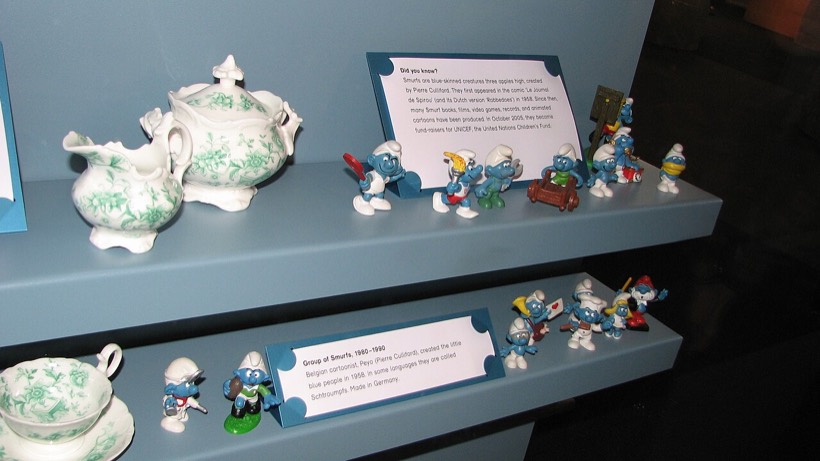
Photograph the underside of both feet. Record the lettering, symbols and country exactly as you see them, including faint or partly worn marks.
Note the pose, accessories and paint colours. Compare the whole figure and its marks together; a similar pose alone is not enough to identify a variant.
Compare like-for-like sold examples in the same condition. Keep asking prices, mixed lots and unverified variants separate from your comparison.
A well-meaning Smurf whose clumsiness often gets him into trouble.
The bespectacled Smurf known for giving advice and quoting Papa Smurf.
Gargamel is the wizard who pursues the Smurfs; Azrael is his cat.
The strong, athletic Smurf, often recognised by a heart tattoo.
The blonde-haired Smurf usually shown wearing a white dress.
The village leader, recognisable by his red hat and white beard.
A guide in preparation: photographs and source checks come first.
A guide in preparation: photographs and source checks come first.
A guide in preparation: photographs and source checks come first.
A guide in preparation: photographs and source checks come first.
A guide in preparation: photographs and source checks come first.
A guide in preparation: photographs and source checks come first.
A guide in preparation: photographs and source checks come first.
Our planned checklists pair identification photos with dated sold-price ranges in US dollars and British pounds. No ranges are published until the sales and the figure identity have been checked.
Read the price method →Smurf figures are small, solid PVC collectibles that have been made more or less continuously since the mid-1960s, which is exactly why a loose one is hard to place. The same Papa Smurf pose might have been molded in West Germany in the 1970s, painted in Portugal in the 1980s, or re-released in Germany decades later. The three steps above get you started. The sections below go deeper: how to read the stamp, which era your figure belongs to, how value tiers work, and where the UK story fits in.
Almost everything you need to date a Smurf is molded into the soles of its feet, and sometimes on an arm or the back of a leg. Turn the figure over under good light and look for four things: a maker mark, a country mark, a year, and a mold number. Older figures may carry only one or two of these, and the very earliest pieces have nothing on the feet at all.
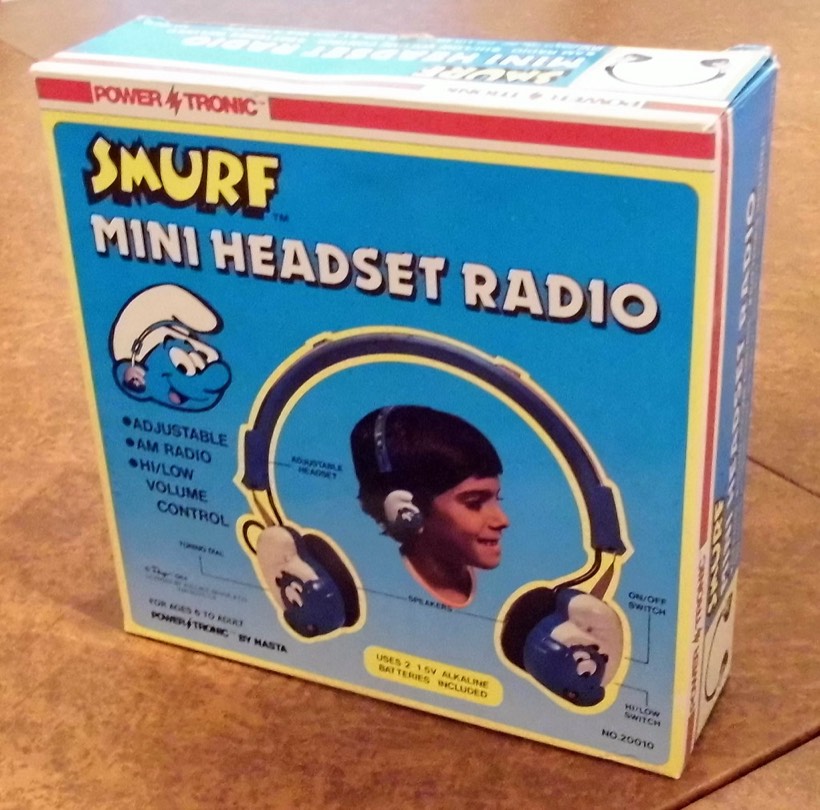
Schleich Smurfs were made in several countries, and the country mark is the quickest way to narrow the window. Collectors have documented production in Germany, Hong Kong, Portugal, Sri Lanka, Macau and China.
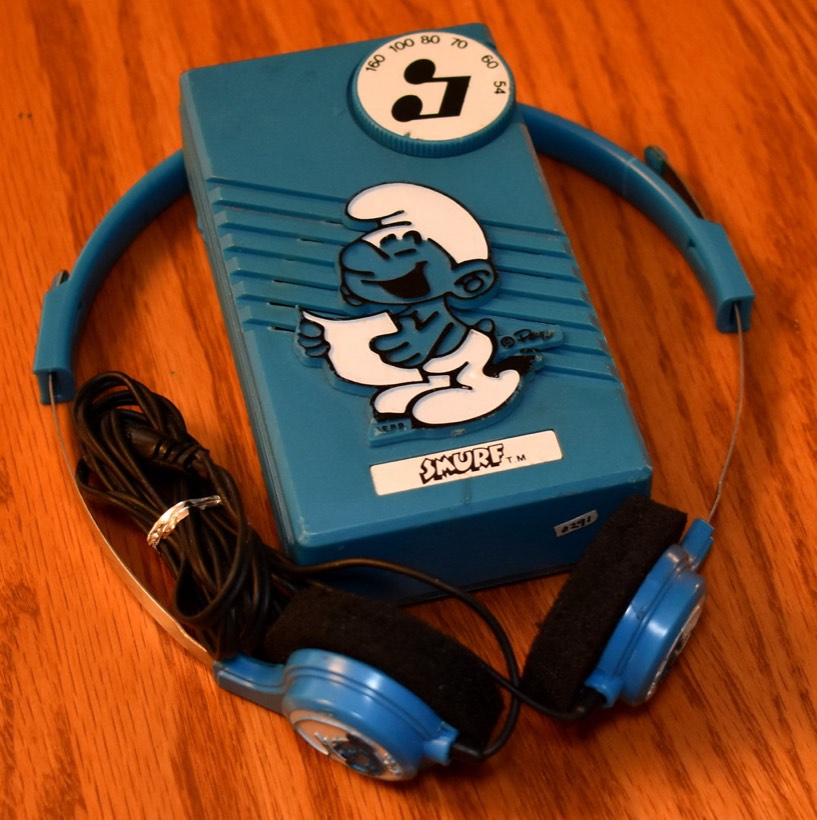
This is the detail that trips up most people. The year molded into the foot is the year the mold was first produced, not the year your figure was made. A figure stamped 1978 could have come off the line any time the mold was in use, which for popular poses means decades. Read the year as "no earlier than," then use the country mark, the maker mark and the paint style to narrow it down.
The number is the mold or article number. Schleich's regular figures use a five-digit number beginning with 2, and the larger Super Smurfs use a separate range. The number identifies the pose, so it is the thing to search for once you want to compare like with like.
Some figures carry a small painted dot on the sole. After a 1978 scare in Britain over lead in the paint of some Hong Kong-made promotional figures, dots were introduced to mark pieces that had passed quality control. Collectors read the colors as the place the figure was painted: red for Sri Lanka, yellow for Portugal, green for Tunisia. A few others are still debated, and a "Muster" mark is believed to flag a reference piece used by the painters. Not every figure has a dot, and the absence of one on a late-1970s figure is itself a clue to an early release.
About four hundred different regular figures have been produced, with new releases nearly every year. Only 1991 and 1998 went without one. Grouping them by era makes a loose collection easier to sort.
The very first figurines came from the comic's publisher, Dupuis, in 1959, and the later, larger Dupuis pieces were sold only in French- and Dutch-speaking markets. Schleich's PVC line began in 1965 with Normal, Gold and Convict Smurf, followed by Spy, Angry and Drummer in 1966 and Moon, Winter, Brainy, Guitar and Papa Smurf in 1969. These early pieces have simple poses, minimal markings and a slightly different proportion from what came later. In the 1970s Bully entered the market, and towards the end of the decade Schleich added the Super Smurfs, larger articulated figures sold boxed with accessories such as tricycles, vehicles and buildings. Look for Papa Smurf and Brainy Smurf in this group, since both were among the first characters cast.
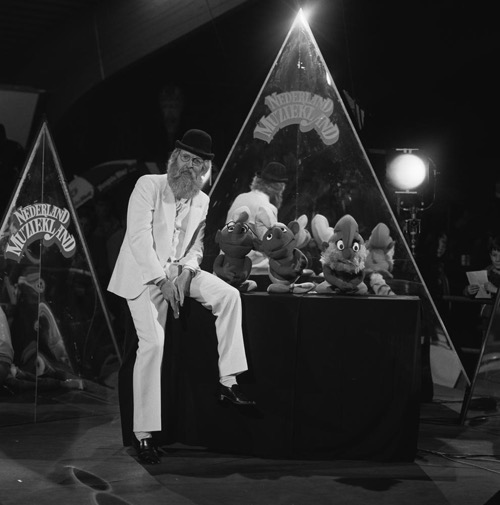
The Hanna-Barbera series ran on NBC from 1981 to 1989 and turned a European comic into a worldwide toy phenomenon. This is the decade most attic finds come from. Expect "Made in Hong Kong," "Made in Portugal" and "W. Germany" marks, paint dots, and a huge spread of occupational and hobby poses. Smurfette, Hefty, Clumsy and Gargamel and Azrael all have well-known figures from these years. Searches for smurf figures 1980s are usually about this period, and it is where the common-figure tier sits.
Demand cooled after the cartoon ended. Schleich kept the line going with a smaller number of new poses each year and re-issued older molds, which is why a 1970s-dated figure can turn up with a 1990s-style "Schleich Germany" marking. The paint is generally cleaner and the colors a little brighter than on the 1980s originals.
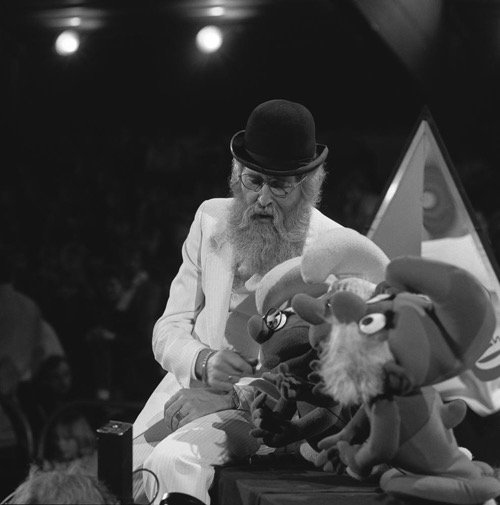
Three Sony films in 2011, 2013 and 2017 and an animated musical in 2025 brought new waves of merchandise, from movie-styled Schleich figures to licensed toy lines from other makers. Schleich's own line ended with a final six figures in 2025, numbered 20845 to 20850. Collectors report that the company told customers 2025 would be its last year of Smurfs, and the figures disappeared from its website within months. Whatever comes next will carry a different maker's mark, which makes the Schleich emblem a closed chapter for the first time in sixty years.
Most Smurf collectibles are worth very little individually, and a few are worth a great deal. The spread is driven by five things: how early the production run was, which paint and mold variant you have, whether it was a promotional or regional release, condition, and what buyers happen to be paying this season. Rather than quote a single number, this guide sorts figures into three tiers and publishes dated sold ranges for each documented figure in the figures table, with the method on the price method page.
| Tier | What it covers | How to recognize it | Where to look | |
|---|---|---|---|---|
| Common figure | Regular Schleich poses produced in large numbers across several countries, typically 1978 to the late 1980s and any later re-run | Standard paint, a country mark you see often, no unusual colors or accessories | The figure checklists on each character page | |
 | ||||
| Uncommon variant | The same pose with a different paint scheme, an early marking, a specific country of origin or a regional promotion | Compare the paint and the sole against the documented variants; the difference can be one color on one detail | Vintage Smurf figures and the maker guides | |
| Rare or prototype | Short-run promotional pieces, early Dupuis and Bully figures, unreleased colors and factory samples | Usually needs provenance and comparison with a known example, not just a photo | Rare Smurfs and Most valuable vintage Smurfs | |
How to value your own figure, in order:
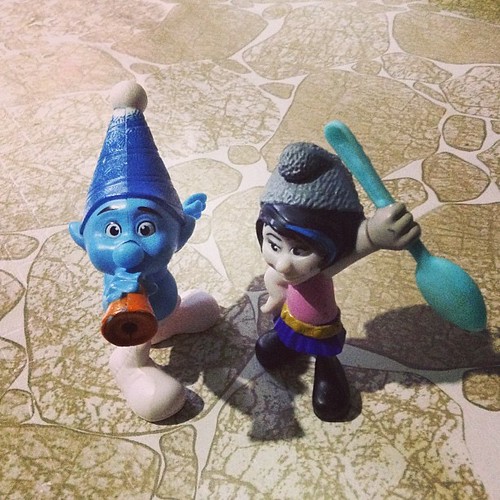
The rare tier gets most of the attention, so two cautions. First, "rare" on a listing title means nothing; rarity is a property of the variant, not the figure. Second, a genuinely scarce piece sells to a small pool of buyers, so its price moves with that pool and a sold range from two years ago may no longer hold.
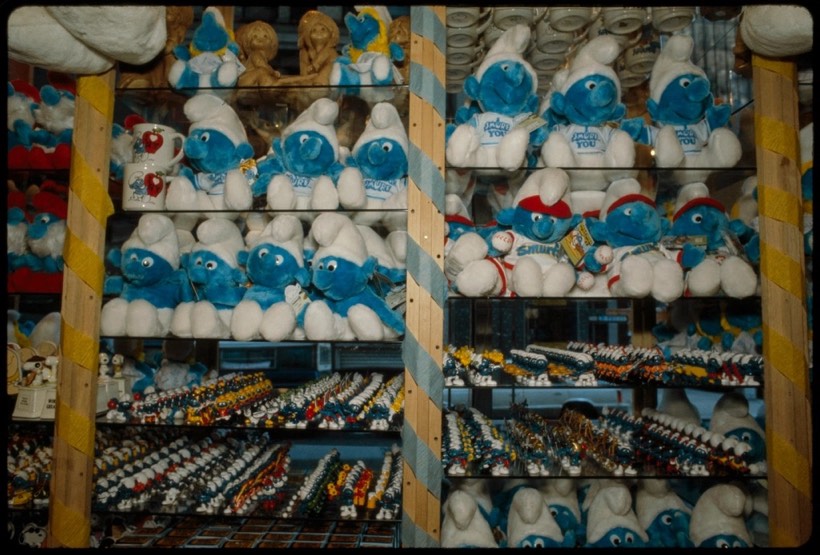
When collectors say "vintage Smurfs" they usually mean the Schleich, Bully and W. Berrie figures made between the mid-1960s and the end of the cartoon in 1989. These are the pieces with the richest variation: early unmarked feet, Peyo-on-the-arm figures, Hong Kong and Portugal paint differences, promotional color variants and the first Super Smurfs. They are also the figures most likely to be misdated, because the same molds stayed in use long after the decade ended.
The identification page walks through the common mistakes: reading the mold year as the production year, confusing a re-run for an original, and assuming a glossy figure is older than a matte one. It also covers Super Smurfs, whose boxes and accessories matter as much as the figure, and the Bully pieces, which are a separate collecting field with their own mold numbers. Start with vintage Smurf figures if your figure has a 1970s or 1980s year on its foot, then come back to the value section once you know which variant you have.
The Smurfs first appeared in the magazine Spirou on 23 October 1958, as side characters in Peyo's medieval strip Johan and Peewit, and quickly took over. The figures follow the comics and then the cartoon, so most poses are either a named character or an anonymous Smurf doing a job or a sport. Six characters anchor almost every collection:
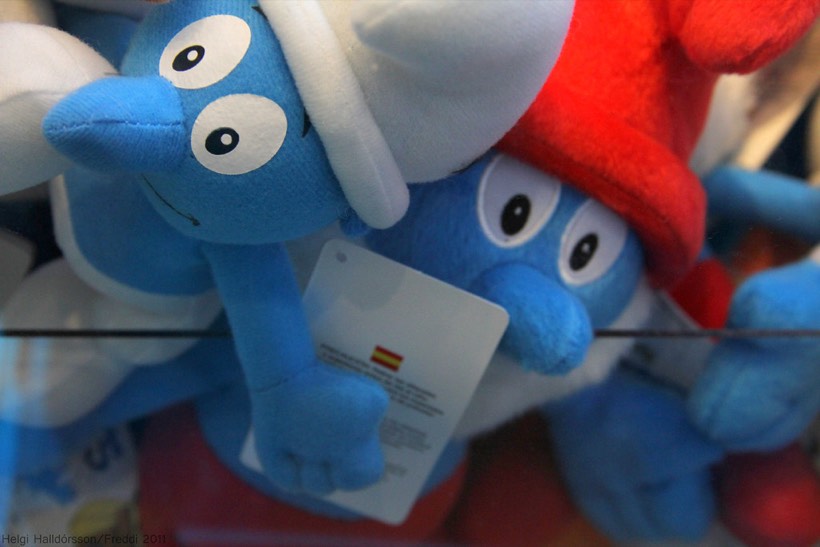
Each character page opens with a short profile, then lists every documented figure of that character with its markings and era. The full index of Smurf character names covers the rest of the village, from Jokey and Grouchy to Baby Smurf and the Smurflings, and is the place to go when you have a figure but cannot name the character.
Schleich was founded in Stuttgart in 1935 by Friedrich Schleich as a supplier of plastic parts, moved into licensed figurines in the 1960s and built its reputation on the Smurfs. For most of the line's history it was the only licensed maker of regular PVC Smurfs, with production spread across its own German factory and contractors in Hong Kong, Portugal, Sri Lanka and elsewhere. Our Schleich Smurfs guide covers the numbering system, the markings by decade and the final 2025 releases.
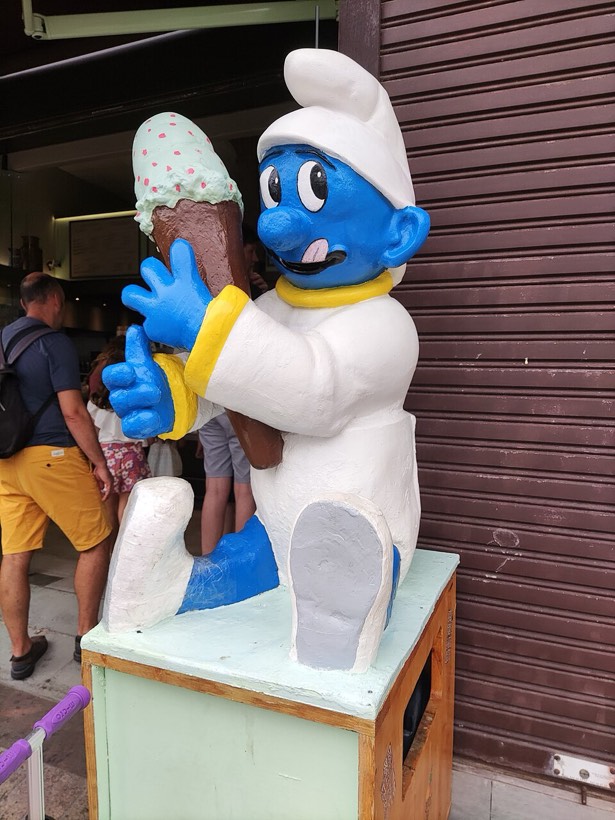
Bully, the trading name of Bullyland in Spraitbach, Germany, made its own Smurfs during the 1970s. A Bully King Smurf in the McCord Museum's collection, dated 1973, is marked "© PEYO / W. GERMANY / Bully," which is the typical layout. Collectors report that Bully's license ended at the close of the 1970s and that its molds passed to Schleich, which is why some early-1980s Schleich figures have a Bully look to them. The earliest figurines of all came from the comic's publisher Dupuis in 1959, starting with three small Papa Smurf figures, and later larger pieces sold only in French- and Dutch-speaking markets. Wallace Berrie & Co. was the US distributor; its name on a Hong Kong-made figure tells you the piece was part of the American distribution that collectors date to 1979.
Strictly speaking, classic Smurfs are not action figures; they are solid, unjointed PVC. The Super Smurfs of 1978 onwards were the first to add articulation and accessories. The modern lines that collectors call smurf action figures mostly date from the films. Jakks Pacific produced small "Grab 'Ems" figures for the 2011 movie, sold in two-packs and tubes of four, with a further wave for The Smurfs 2 in 2013. Funko released its first Pop! Animation Smurfs wave in 2017: Papa Smurf, Smurfette, Brainy Smurf, Astro Smurf, Gargamel with Azrael and the purple GNAP! Smurf, numbered 269 to 274, with convention exclusives and a new Smurfette following in 2024. Schleich's final 2025 figures are the newest additions to the classic line. None of these are vintage yet, but the Funko wave and the last Schleich six are already the pieces new collectors ask about first.
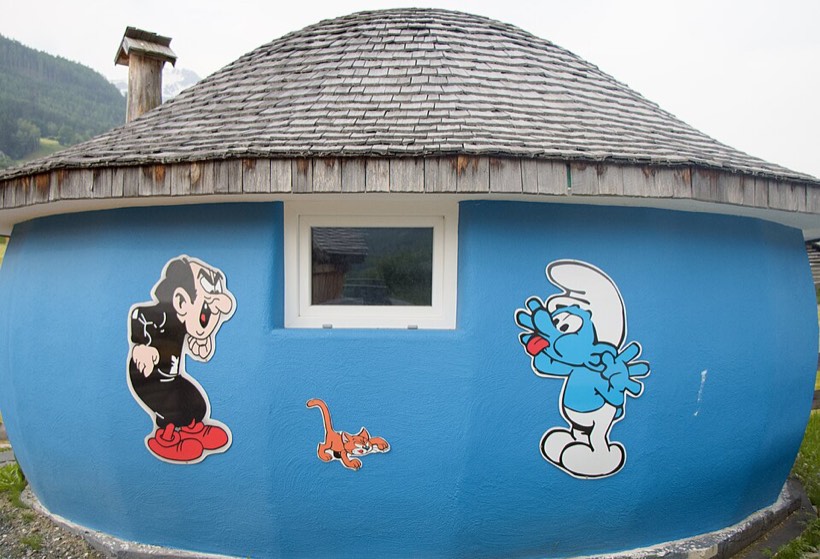
Britain had its own Smurf story. National, the BP-owned petrol brand, began selling Smurf figures on its forecourts in 1978 and ran promotions into the early 1980s, which is where a generation of British collectors got their first figures. The blue and white of the Smurfs matched National's own colors. In the autumn of 1978 a scare over lead paint on some Hong Kong-made figures made national news; Department of Health tests found no significant risk and sales resumed, but the episode is why paint dots exist. National was phased out in favour of the BP name by the early 1990s, and collectors report that BP ran its own Smurf promotions from 1979 in Britain, South Africa and Australia.
The UK market also produced its own variants. Collectors report color variants of the Rugby Smurf released during the National garage promotions in the early 1980s, early paint variants such as Brainy with red glasses that are common in Britain but scarce in the US, and figures with yellow dots that turn up mainly in British lots. If your Smurfs came from a British garage forecourt, check the dots and the paint before assuming they are standard. A dedicated guide to the National garage Smurfs is in preparation.
PVC is tough, but the paint is not. Dust first with a dry, soft brush. For grime, use lukewarm water with a drop of mild dish soap and an old soft toothbrush, working gently into the creases, then dry with a soft cotton cloth so soap residue does not attract more dirt. Never use alcohol, acetone, window cleaner or abrasive sponges on a painted figure, and test any method on the underside before touching the face. Display out of direct sunlight; the figures fade and can yellow with age, and red and orange paint goes first. A fuller cleaning guide, including what to do about old price stickers and sticky PVC, is coming to this site.
Every value range on this site is built from checked sold listings, in US dollars and British pounds, with the date it was last checked. No range is published until the figure's identity has been confirmed against its markings and a sample of sales exists. The method, including what is excluded, is set out on the price method page. Photographs are of real figures with the foot stamp shown, so you can compare your own. The about page explains who runs the site, its history on this domain, and how to send corrections. Kitty's Cavern is a fan reference and is not affiliated with Peyo, IMPS or any toy maker.


